
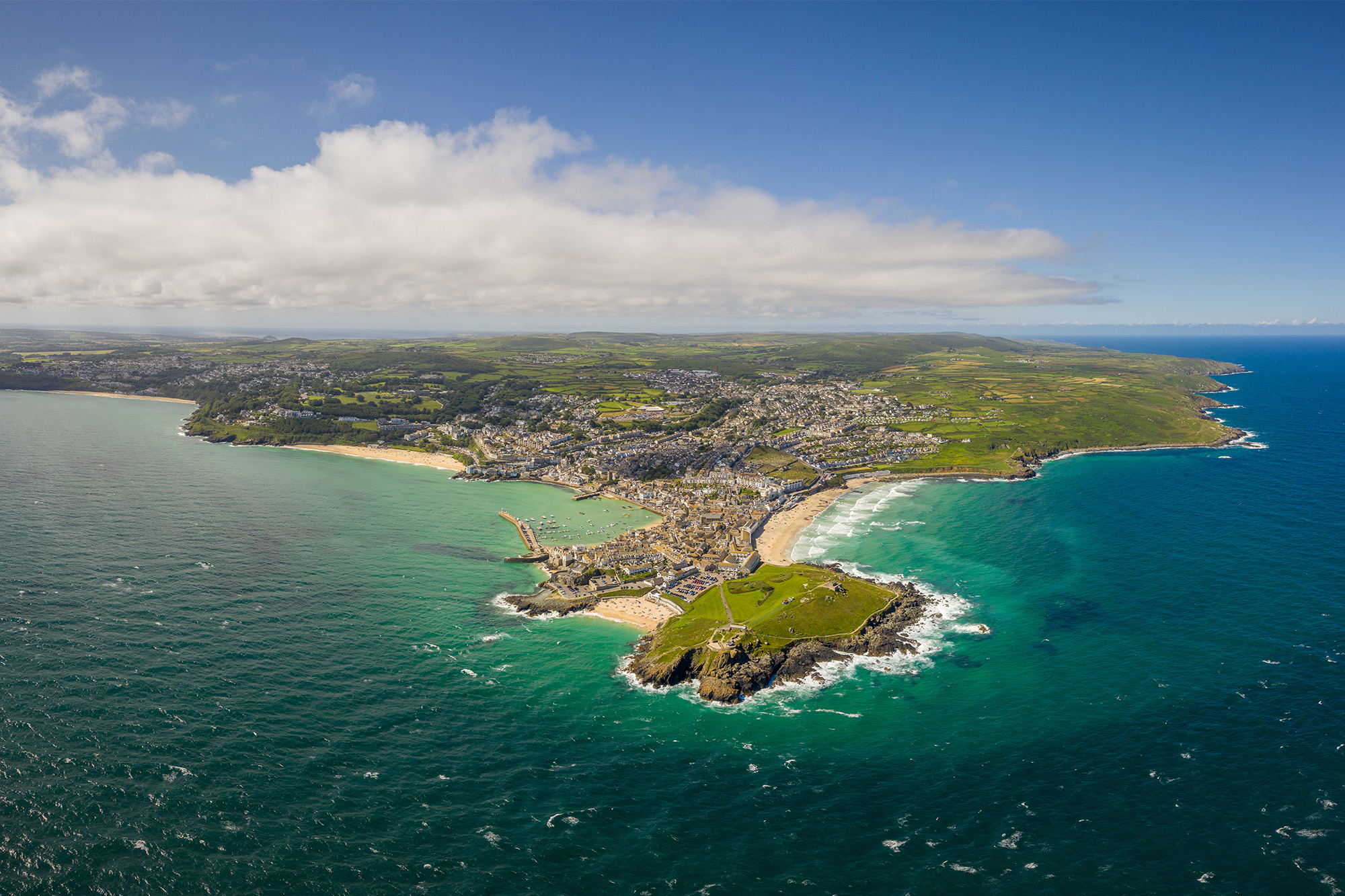
Hayle Estuary • St Ives Bay seawatching • Marazion Marsh • Pendeen • Land’s End/Porthgwarra • Zennor • Penzance/Mount’s Bay
St Ives and the wider Penwith area are one of the best parts of Cornwall for birdwatching because you can experience three very different birding “worlds” in one trip:
Estuary and wetland birding (especially strong in winter) for wildfowl, waders and gulls
Seawatching (late summer into autumn is prime) for shearwaters, skuas, petrels and terns
Migration hotspots (especially in autumn) where scarce warblers and flycatchers can drop in after the right weather
If you’re staying at Pats Place (St Ives), you’re perfectly placed for short, scenic drives to Hayle, Marazion and the far-west headlands—so you can pick the best spot based on the day’s conditions.
Two quick notes before you go:
Bird “rarity” changes with season, tide and weather, and a rare bird is never guaranteed—use live local sightings on the day.
Always bird responsibly: stick to paths, respect private land, and don’t disturb roosting or breeding birds (especially on high-tide roosts and cliff nesting area
A quick planning guide (this is what locals use)
Time of year
Winter: best for big numbers (wildfowl, waders, gulls) and specialist wetland birds like bittern
Late summer to autumn: best for seabird passage and the chance of scarce migrant passerines (warblers/flycatchers)
Tide
On estuaries like Hayle, the tide makes or breaks the day.
High tide concentrates birds into roosts and banks (easier viewing, more action).
Low tide can be great for feeding waders on exposed mud/sand—but birds may be further away.
Wind & weather
For seawatching, onshore systems and the “right” wind direction can bring seabirds closer in.
After notable weather events, keep an eye on migration hotspots (the far west can produce surprises).
The best birdwatching spots near St Ives
1) Hayle Estuary (RSPB): Lelant Saltings, Carnsew Pool, Copperhouse Creek, Porthkidney Sands
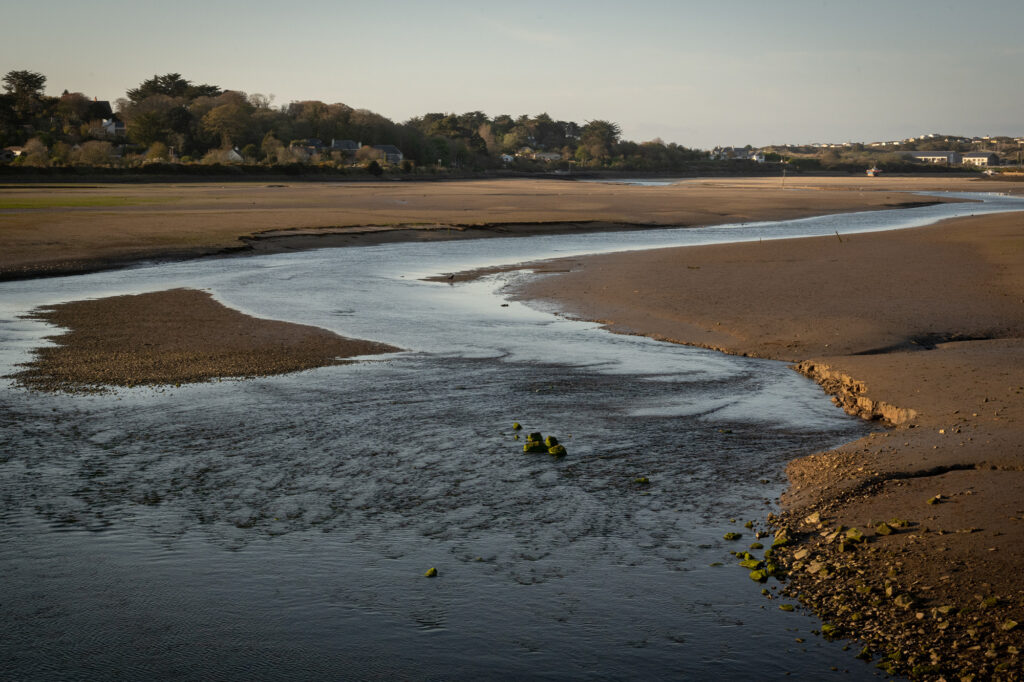
Why it’s good: One of the top wetland birding sites in West Cornwall—excellent numbers plus a strong vagrant track record.
Best times:
-
Winter for big gatherings of wildfowl and waders
-
High tide to concentrate birds on roosts and banks
Often seen (seasonal):
-
Large numbers of waders, gulls and wildfowl, with winter standouts like teal and wigeon
Scarcer / “headline” birds recorded or possible:
-
Ring-billed Gull (North American vagrant)
-
Winter scarce gulls such as Iceland, Glaucous and sometimes Yellow-legged-type gulls (depending on the year)
-
Occasional American wildfowl including American Wigeon or Green-winged Teal
Local tip: If you only have time for one estuary session, plan it around high tide, when the estuary tends to feel most alive and birds are easiest to view.
2) St Erth (lanes/fields and the wider area
Why it’s good: A useful “scan stop” in local birding circuits—good for turning up scarce egrets and other local surprises in the broader Hayle/St Ives Bay area.
Best times:
Most productive when there are staying birds in the area or after weather events
Always check current sightings and target what’s being reported
Often seen (seasonal):
Typical farmland/edge habitat birds, changing through the year
Scarcer / “headline” birds recorded or possible:
Western Cattle Egret (recorded locally historically)
3) St Ives Island & St Ives Bay seawatching (right on your doorstep)
Why it’s good: A convenient seawatching option very close to town—when the wind and visibility align, St Ives Bay can produce impressive movement.
Best times:
Late summer into autumn for seabird passage
Certain wind directions can “trap” seabirds into the bay
Often seen (conditions dependent):
Manx shearwaters, gannets, auks, and passing skuas/terns
Scarcer / “headline” birds recorded or possible:
Sabine’s Gull
Larger shearwaters/petrels during or after onshore systems
Responsible seawatching: Give cliff edges and nesting areas plenty of space, and be mindful of sea conditions—safety first.
4) Pendeen Watch (north coast seawatching)
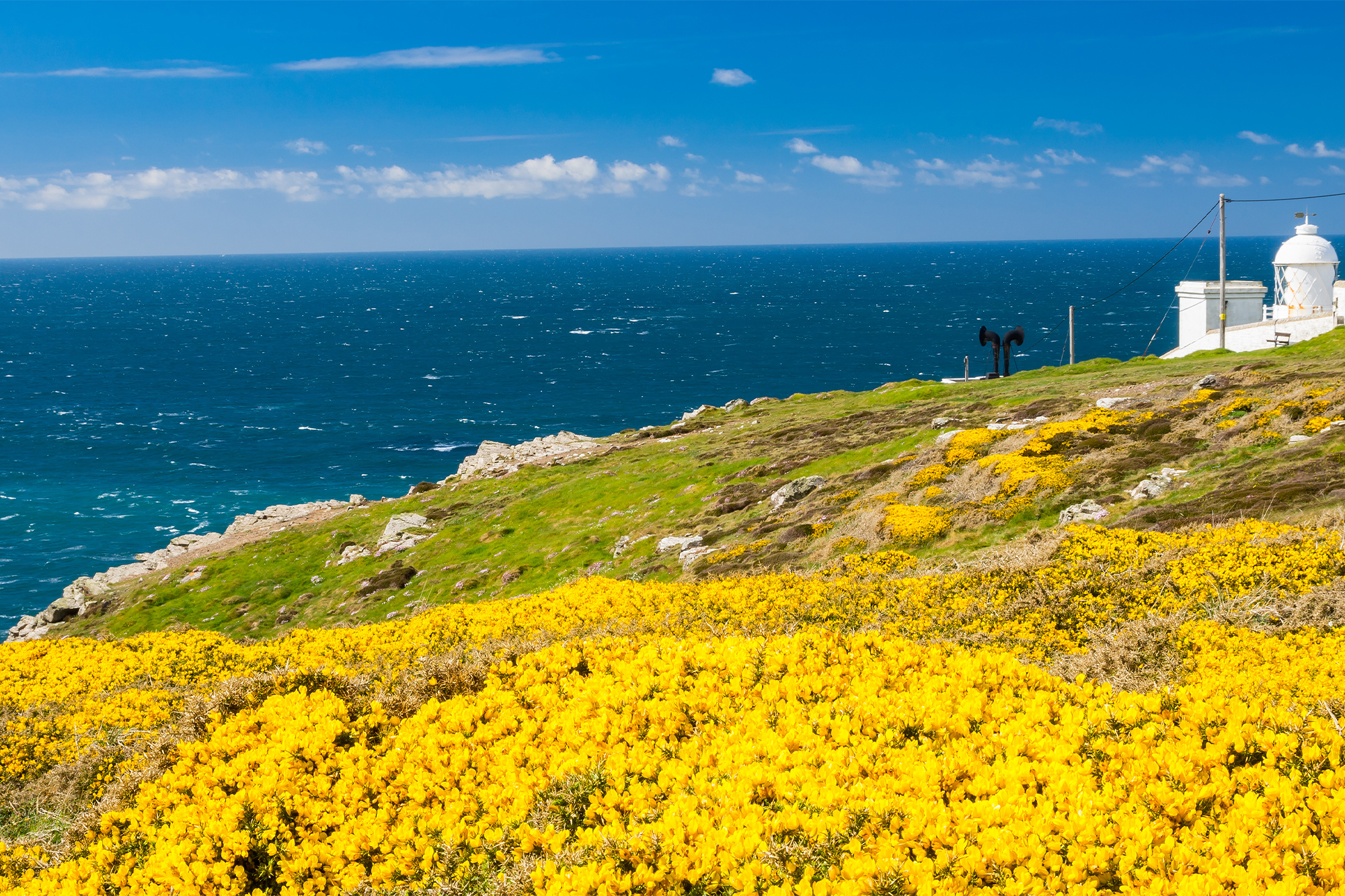
Why it’s good: Widely regarded as one of the UK’s standout seawatching viewpoints—famous for shearwaters, skuas, petrels and more.
Best times:
Late summer and early autumn are classic for passage
Also good after strong onshore winds
Often seen (season/weather dependent):
Regular passage of shearwaters, skuas, auks, terns and gulls
Scarcer / “headline” birds recorded or possible:
Cory’s Shearwater and Great Shearwater
Wilson’s Storm Petrel (a classic scarce prize)
In exceptional years, even more extreme rarities can occur
Local tip: If you’ve never seawatched before, Pendeen is a great place to learn because you’re watching from a well-known headland with a proven track record.
5) Land’s End / Porthgwarra / Gwennap Head: migration + seawatching combo
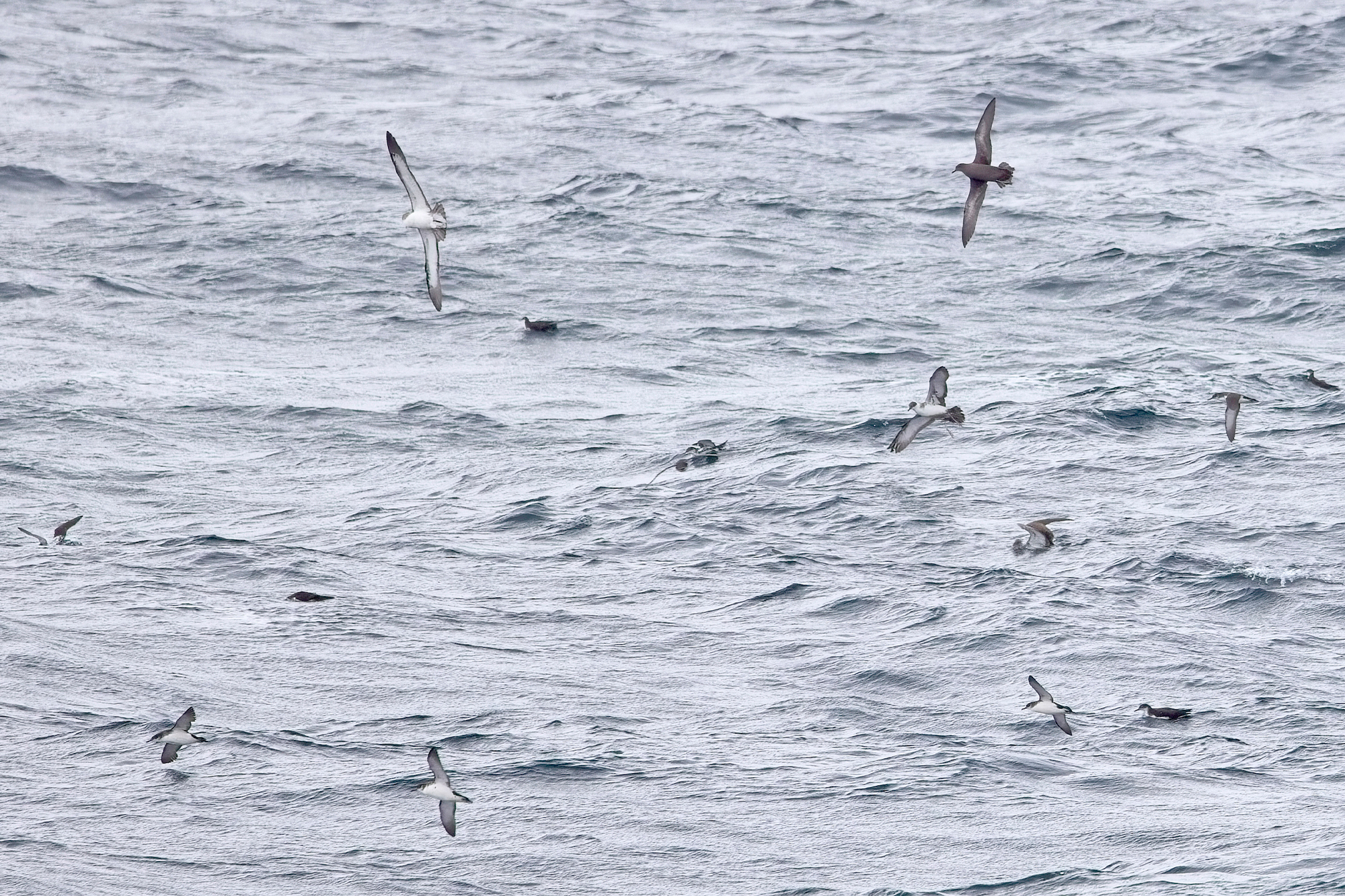
Why it’s good: This is the “dream double” of West Cornwall birding: a classic migrant trap (Porthgwarra valley) plus elite seawatching (Gwennap Head).
Best times:
July–September for prime seawatching
Autumn for migrant passerines (especially after suitable winds)
Often seen (seasonal):
Migrants in the valley (warblers, flycatchers)
A wide range of seabirds offshore
Scarcer / “headline” birds recorded or possible:
Scarce migrant passerines such as Yellow-browed Warbler (regular scarce migrant nationally)
Rarer vagrants recorded include Dusky Warbler and Red-eyed Vireo
Offshore, Cory’s Shearwater is a true headline seabird in the right conditions
Exceptionally rare seabirds have been recorded historically from Gwennap Head
Responsible birding note: Valleys and headlands can be sensitive—keep to paths, avoid flushing birds, and respect any private land boundaries.
6) Penzance waterfront / Jubilee Pool / Mount’s Bay (easy, sheltered coastal birding)
Why it’s good: The bay’s sheltered waters can hold wintering birds close inshore, and the promenade-style birding is straightforward and accessible.
Best times:
Winter for sea-ducks, divers and grebes
Also productive in migration periods depending on conditions
Often seen (seasonal):
A mix of sea-ducks and grebes/divers (species vary with conditions)
Scarcer / “headline” birds recorded or possible:
Purple Sandpiper and Turnstone around the Jubilee Pool area in winter
Occasional “odd” grebe or other scarce coastal species in the bay
7) Marazion Marsh (RSPB) + Longrock Pool (near St Michael’s Mount)
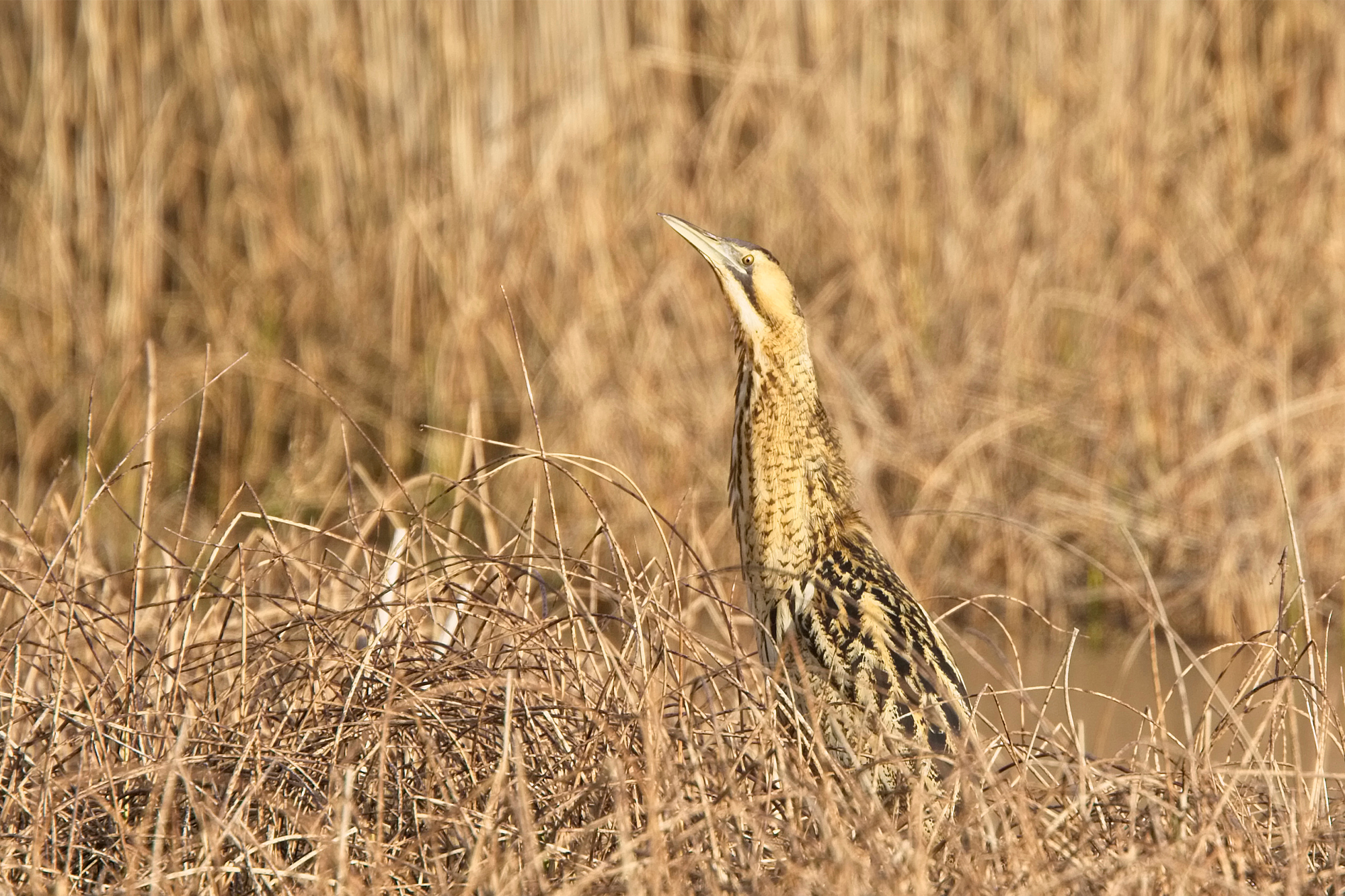
Why it’s good: Cornwall’s largest reedbed and a classic West Cornwall wetland—excellent for reedbed specialists, and a known stopover site for notable migrants.
Best times:
Winter for bittern
Passage periods for reedbed migrants
Autumn/winter can be exciting around starling roosts and raptor interest
Often seen (seasonal):
Reedbed and wetland birds on the reserve
Shoreline waders around Mount’s Bay/Longrock Pool
Scarcer / “headline” birds recorded or possible:
Bittern (a regular wintering draw)
Aquatic Warbler is a noted passage species at the reserve
Local tip: Bring patience to the hides in winter—bittern encounters can be slow-burn, but unforgettable.
8) Zennor & the north coast cliffs (coast path birding)
Why it’s good: Classic Penwith cliff habitat—the right landscape for iconic coastal species and raptors, with the chance of visible migration in season.
Best times:
Year-round for chough chances
Autumn for visible migration
Winter for seawatching from exposed points
Often seen (seasonal):
Chough (where present), plus ravens, kestrels, and seabirds offshore
Scarcer / “headline” birds recorded or possible:
Best approached as a “watch what’s moving” spot—use current sightings for scarcer migrants, as unusual passerines can occur in autumn.
The most notable (and rarer) birds to look out for in the St Ives area
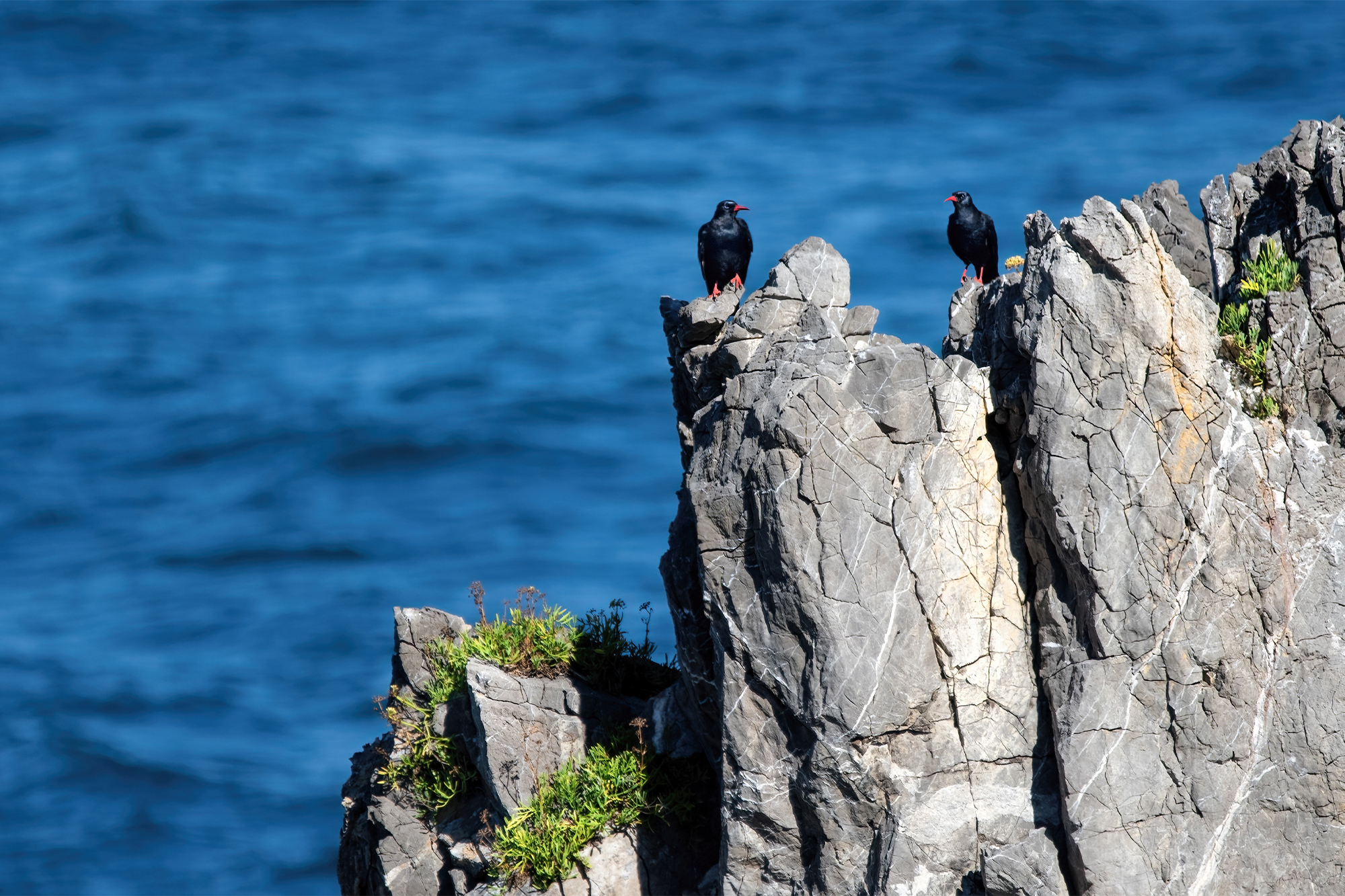
Signature West Cornwall species
Cornish Chough – the iconic coastal corvid of far-west Cornwall.
Look along rugged headlands and short-grazed cliff-top fields, especially around the north-coast cliffs and far-west landscapes.
Wetland & estuary highlights (especially winter)
Bittern – the marquee winter bird at Marazion Marsh
Huge winter gatherings at Hayle Estuary: teal, wigeon, roosting waders and gulls
Scarce gull potential at Hayle, including the possibility of Ring-billed Gull and other winter scarce gulls
Migration “spice” (autumn falls)
Porthgwarra valley can produce scarce migrant warblers and flycatchers
Yellow-browed Warbler is a realistic scarce target in the right season
Much rarer birds (e.g., Dusky Warbler, Red-eyed Vireo) have been recorded—never bank on them, but it shows what’s possible
Seawatching highlights (late summer–autumn)
Pendeen Watch and Gwennap Head are top-tier for shearwaters, skuas, petrels and terns (conditions dependent)
Cory’s Shearwater and Great Shearwater are headline targets
Wilson’s Storm Petrel is a classic scarce prize
Exceptionally rare species have been recorded historically from Gwennap Head
A simple “pick-the-best-spot” plan for your day in St Ives
If you want a practical way to decide where to go:
Calm or mixed weather: start with Hayle Estuary (wildfowl/waders/gulls)
Strong onshore weather: consider St Ives Bay seawatching (close to town), or go bigger with Pendeen
Late summer/autumn with seabird potential: Pendeen or Gwennap Head
Autumn migrant conditions: add Porthgwarra valley (even a short visit can be worthwhile)
Winter specialty target: Marazion Marsh for bittern, plus a gull scan around Mount’s Bay / Penzance
Birdwatching responsibly (please read)
West Cornwall’s best birds often rely on safe feeding and roosting areas.
Keep to paths and don’t trespass on private land
Avoid disturbing roosts (especially high-tide wader/gull roosts)
Never approach nesting cliffs—watch from a respectful distance
If you photograph birds, prioritise welfare over the shot
Take litter home and be considerate with parking in small communities
Staying at Pats Place: a great base for West Cornwall birding
If you’re planning a St Ives self-catering break, birdwatching is one of the most rewarding, low-cost ways to explore the area—especially outside peak summer crowds. With St Ives as your base, you can choose estuary, reedbed or headland birding depending on the conditions and what’s being seen locally.
(If you’re building your St Ives itinerary, this post also pairs nicely with guides on coastal walks, winter breaks and seawatching—see ideas below.)
FAQs
When is the best time for birdwatching near St Ives?
Winter for estuary/wetland numbers and bittern; late summer–autumn for seawatching and migration.
Where can I see bittern near St Ives?
Marazion Marsh is the key spot in winter. Go early, be patient in the hides, and keep disturbance minimal.
Where are the best places for “rare birds”?
No guarantees—but Hayle Estuary (gulls/waders), Porthgwarra valley (migrant passerines) and Gwennap Head/Pendeen (seabirds) have the strongest track records.
Do I need a telescope?
A scope helps a lot on the estuary and for seawatching, but binoculars are still worthwhile—especially at Marazion Marsh hides and along the St Ives coastline.
Useful resources (for live sightings + reserve info)
RSPB Hayle Estuary:
https://www.rspb.org.uk/days-out/reserves/hayle-estuaryRSPB Marazion Marsh:
https://www.rspb.org.uk/days-out/reserves/marazion-marshCornwall Birds (CBWPS) seabird/seawatching guidance:
https://cbwps.org.uk/articles/seawatching-in-cornwall-late-summer/Cornwall Guide (Hayle Estuary birdwatching):
https://www.cornwalls.co.uk/wildlife/birdwatching/hayle_estuary.htmCornwall Guide (Porthgwarra birdwatching):
https://www.cornwalls.co.uk/wildlife/birdwatching/porthgwarra.htmPenzance birdwatching notes:
https://www.sennen-cove.com/penzance.htm